Autism Assessments for children & adolescents
SA PAEDIATRICS AND NEWBORNS ( SAPAN)
What is Autism Spectrum Disorder?
Autism Spectrum Disorder (ASD) is a condition that affects how a person thinks, feels, communicates with others and experiences their environment.Signs of a developmental delay may be present in a child at 18 months of age or younger.
Our team works closely together to tailor an autism assessment that best identifies each child’s unique strengths and areas that require support. We respect and acknowledge that within the diagnostic realm there are many shades of grey and as such we bring our developmental expertise to differentiate between ASD and other developmental disorders or impairments.
Why is the term “spectrum” used?
Each person with autism is unique, with their own characteristics. The term ‘spectrum’ is used because of the wide variation in traits and the impact on an individual.
Some children with ASD will require little or no support, whilst others may require intensive help from a parent or carer daily.
Could My Child Be Showing Signs of Autism Spectrum Disorder (ASD)?
- Communication Differences That May Be Linked to Autism
- Your child may not use simple gestures like pointing to show interest or waving to say goodbye.
- They might not respond when you call their name, even though they react to other sounds like music or toys.
- Words they once used may suddenly disappear, without a clear reason.
- By 18 months, they may not be saying any words, and by age two, they might not be using short phrases like “want toy.”
- Their speech may sound unusual—repeating the same phrases, using made-up words, or speaking in a sing-song tone.
- They may find it hard to engage in simple back-and-forth interactions, like answering questions or taking turns in conversation.
Social and Play differences :
- Eye contact may be limited, and your child might not smile back when you smile.
- They may show little interest in playing with others or sharing what they enjoy.
- Sometimes they seem to be in their own world or prefer being alone.
- Play may be repetitive, like lining up toys or sorting objects by colour or shape.
- They might only play with certain toys and avoid pretend or imaginative play.
Behaviour Differences:
- Your child may flap their hands, walk on tiptoes, or spin in circles often.
- They might have very specific or unusual interests.
- Tantrums may happen frequently and seem hard to explain.
- Changes in routine can be very upsetting or difficult to manage.
- You may notice repetitive behaviours or rituals they insist on following.
Sensory Differences:
- Everyday sounds might feel overwhelming, or they may not react when you speak.
- Spinning objects or watching things move can hold their attention for long periods.
- Certain textures may bother them, or they may explore things by touching or mouthing them.
- They might not seem to notice pain, or they may react strongly to minor discomfort.
- You may notice them looking at toys from the side or watching things close to the floor or table.
The Assessment Process
Team ASD Assessment
- ⏱ Single 2-hour session On the same day with a Speech Pathologist and Psychologist
- 👩👧 Dual approach: one clinician interviews the parent/caregiver while the other observes the child During play
- 💬 Feedback session at the end of the appointment with results and recommendation
- 📝 Summary report provided: detailed report available on request(ready within a week)
Single ASD Assessment
- 📅 Three Seperate sessions with Speech Pathologist and Paediatrician
- 👩⚕️ Session 1: Interview & observation with Paediatrician
- 🎤 Session 2: Interview & play observation with Speech Pathologist
- 📝 Session 3: Feedback Session with result ,recommendations and report will be given by Paediatrician
Autism in boys and girls
ASD can present differently in girls and boys. Girls may be quieter, hide their feelings and appear to cope better with social situations. This can make it harder for parents, carers, teachers and health professionals to identify autism in girls. As a result, diagnosing autism in girls often occurs later than in boys.
The SAPAN assessment team are skilled at recognising the more subtle traits that may be present in girls with Autism Spectrum Disorder.
Autism in gender diverse children
Gender diverse children are three to six times as likely to be autistic as cisgender people. The SAPAN assessment team keep abreast of the latest assessment and diagnosis research and can include additional mental health support and medical gender-related care for gender diverse children.

Why should I seek an assessment?
SAPAN’s comprehensive Autism Spectrum Disorder assessment can identify issues with a child’s development and lead to targeted strategies and support, assisting them to achieve their goals and reach their full potential.
NDIS FOR AUTISM SPECTRUM DISORDER
The National Disability Insurance Scheme (NDIS) can provide reasonable and necessary funding to support people with ASD not for getting the diagnosis but for managment.
The aim is to improve a person’s independence, increase their participation in social and economic activities and develop their capacity to engage with their community.
Children aged up to six years of age may be eligible to access the NDIS via the Early Childhood Approach.
Children aged seven years of age and over may be eligible to access the NDIS via the NDIS Pathway.
More information can be found at Autism Awareness Australia.
FIND OUT MORE
Contact SA Paediatrics and Newborns for more information or to book an appointment on 08 7081 9819.
A referral from your GP is required.
USEFUL LINKS FOR AUTISM SPECTRUM DISORDER
National Disability Insurance Scheme (NDIS)
Learn more about team
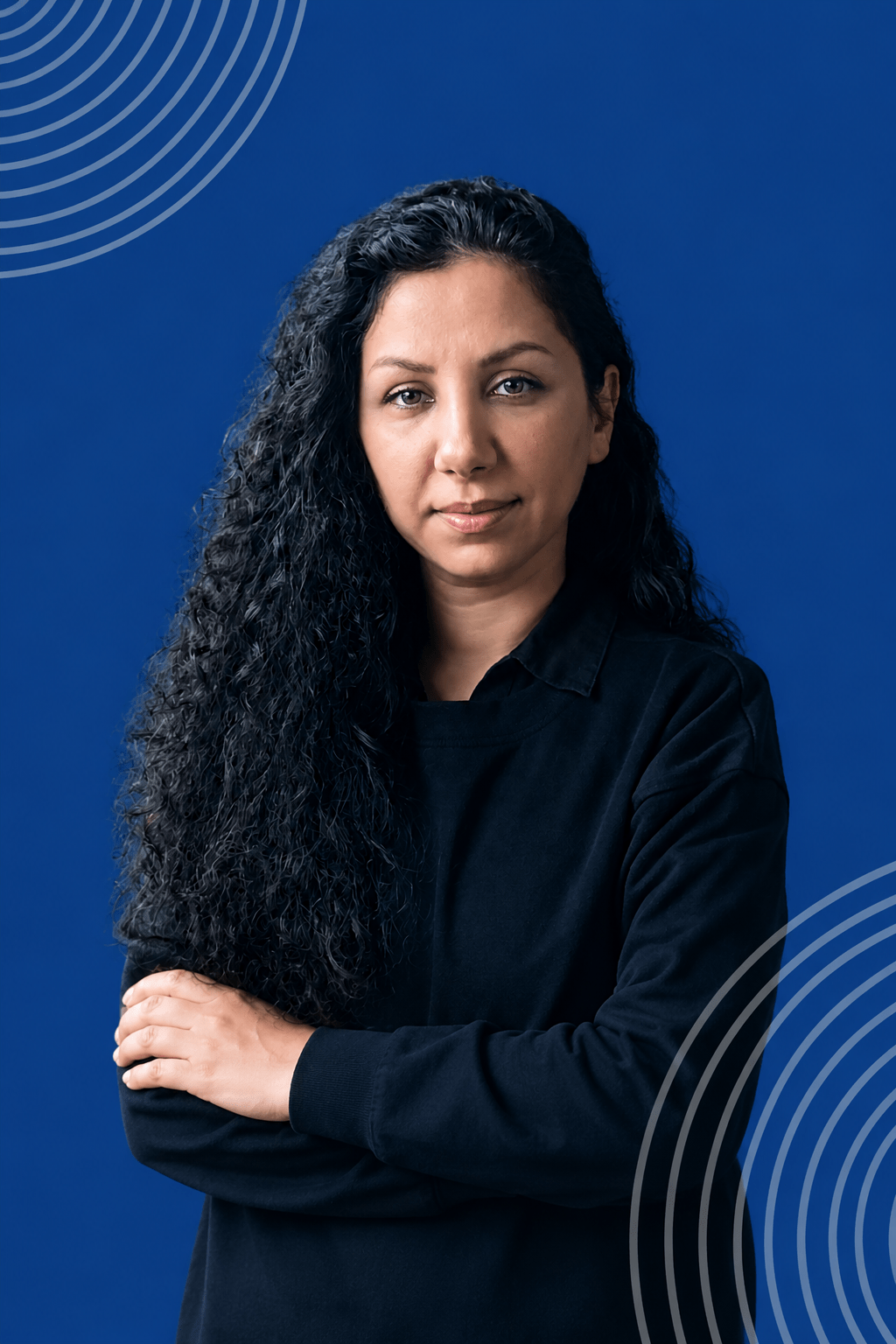
OUR AUTISM ASSESSMENT TEAM
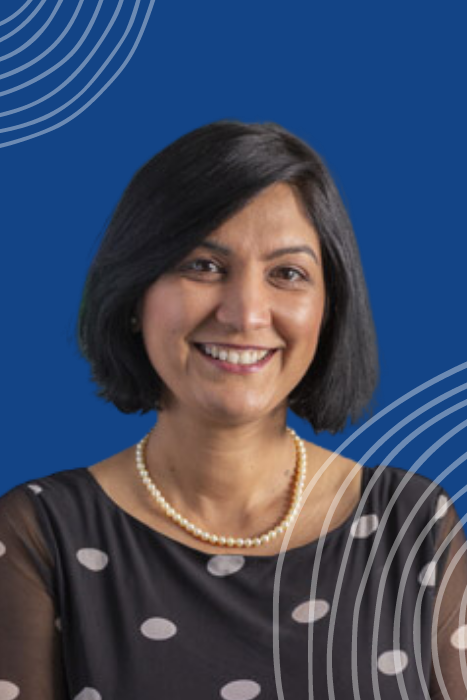
Learn more about
Dr Aabha Kalro

Learn more about
Dr Dattatraya Lokhande
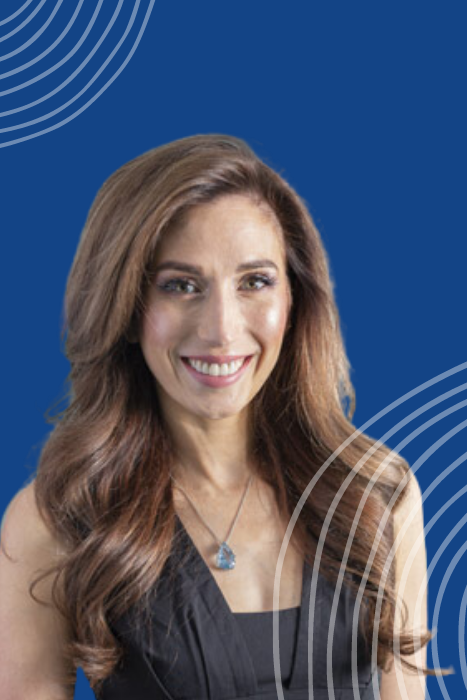
Learn more about
Jenna Ward-Hawkes